Ankle replacement (total ankle arthroplasty) is an advanced surgical option designed to relieve pain and restore function for patients suffering from severe ankle arthritis when conservative treatments—such as bracing and activity modification—no longer provide adequate relief. This page walks you through the ankle replacement selection process, key indications and contraindications, and what to expect before, during, and after surgery, including helpful healing tips to reduce swelling, prevent stiffness, and stay comfortable throughout recovery. You’ll also find an overview of the procedure itself—performed in an operative suite with an experienced anesthesia and orthopaedic surgery team—along with real patient examples, images, and videos that highlight outcomes and the journey back to daily activities.

The Selection Process For Ankle Arthroplasty
Indications:
- Ankle arthritis
- Inadequate relief with conservative therapy such as bracing
- Limitations in normal activities due to ankle pain
Contraindictations:
- Uncontrolled diabetes
- Peripheral neuropathy
- Vascular disease compromising the ability to heal wounds
- Uncorrectable malalignment of the ankle or foot
- High impact activities such as running or jumping
Surgical Intervention
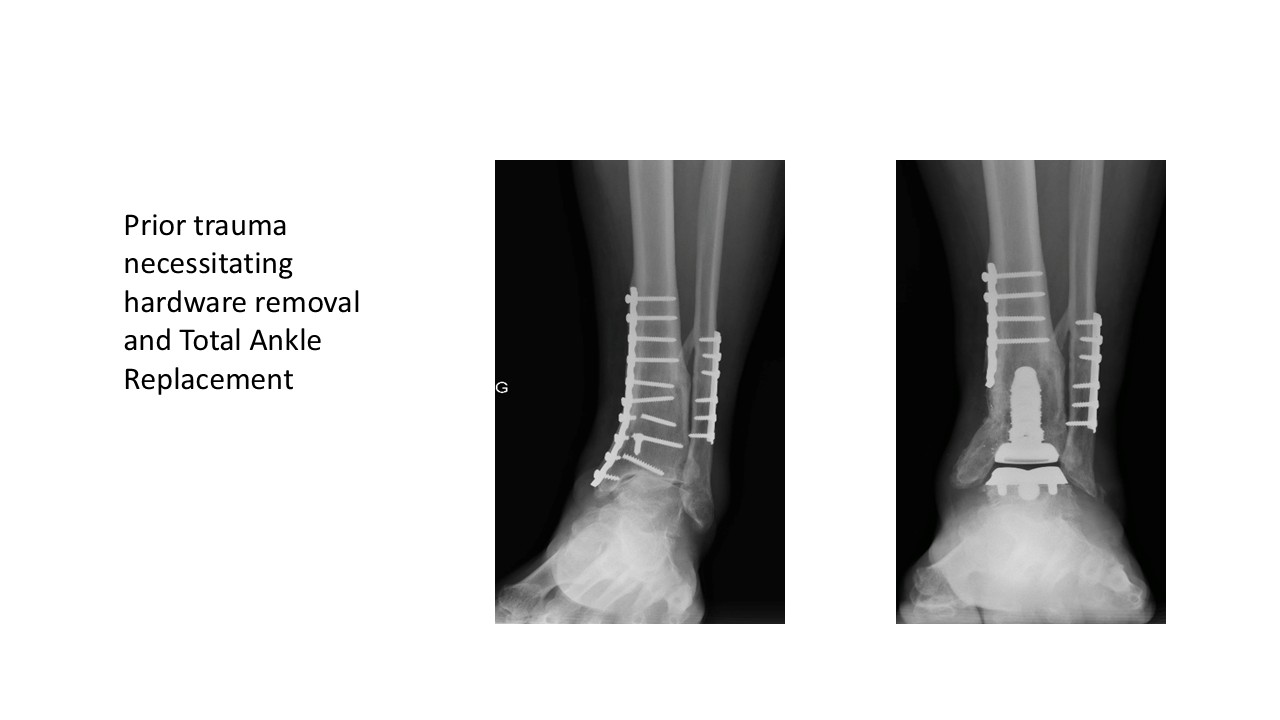
Ankle replacement is performed in an operative suite with an anesthesia team and an orthopedic surgery team. Many patients prefer to have a nerve block placed in the leg to help with postoperative pain control. Sometimes additional procedures are performed simultaneously with total ankle replacement, such as removing previously placed hardware, lengthening a tight Achilles' tendon, or balancing the foot. Depending upon your age, medical conditions, how far you have traveled, and other factors, you will likely stay in the hospital one or two nights.
During Your Healing Process
- Maintain a positive attitude.
- Establish relaxation and distraction techniques to calm anxiety.
- Participate in daily exercises if able to do so.
- Establish a routine to avoid frustration as normal activities may take more time.
- Move surrounding joints multiple times daily to avoid stiffness and discomfort.
- Elevate the injured extremity to decrease swelling and discomfort.
- If you have an external fixator, keep the pin sites clean to decrease irritation.
Cases
Ankle Replacement
Ankle Replacement
Prior Trauma Necessitating Hardware Removal And Total Ankle Replacement
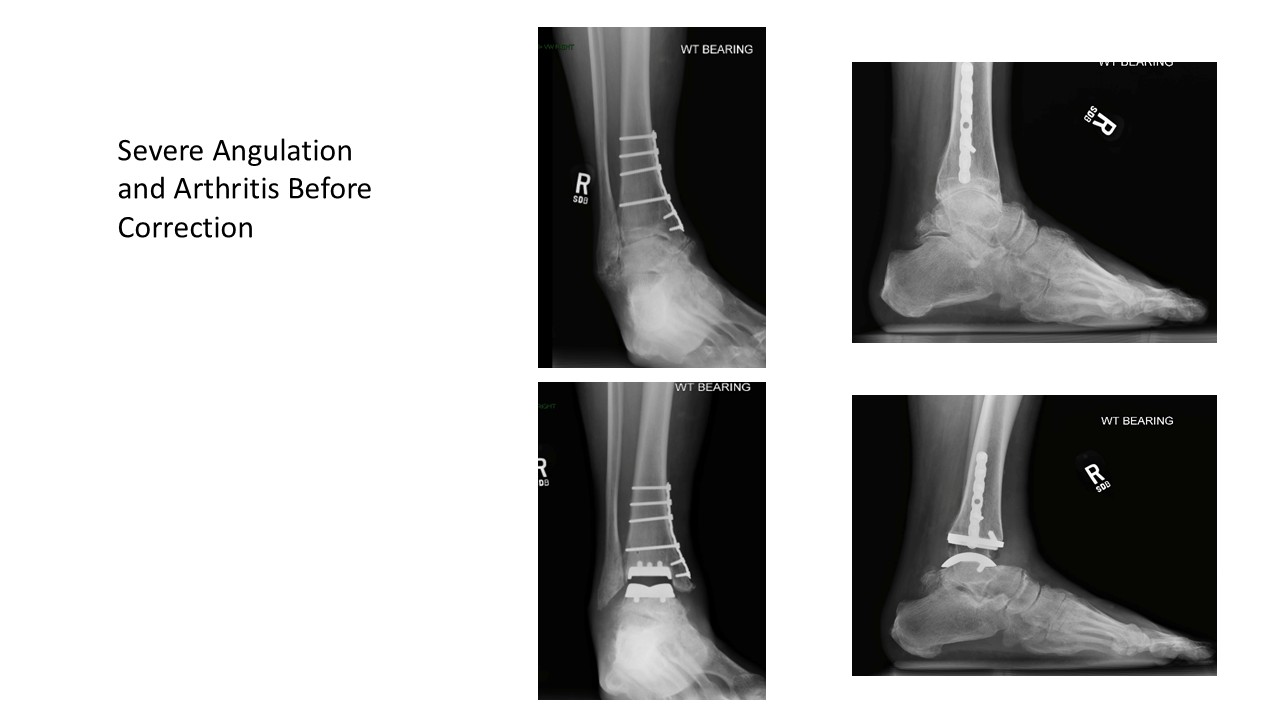
Severe Angulation And Arthritis Before Correction
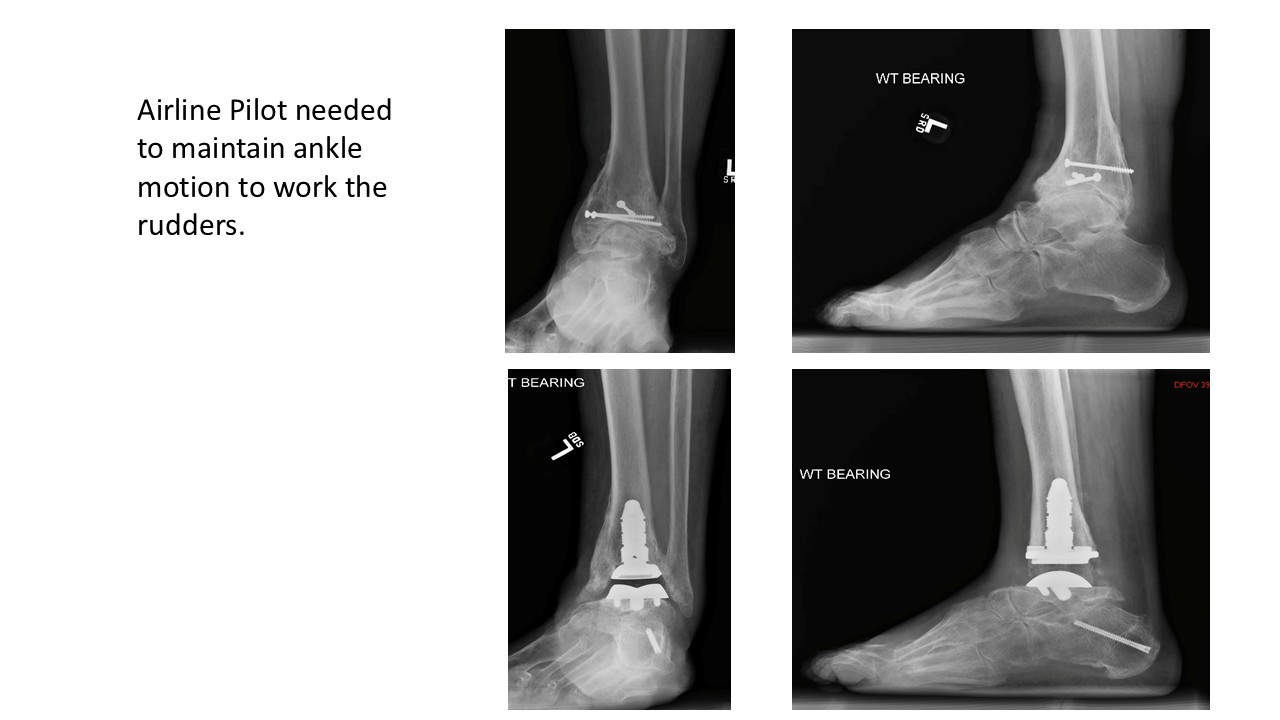
Severe Angulation And Arthritis Before Correction
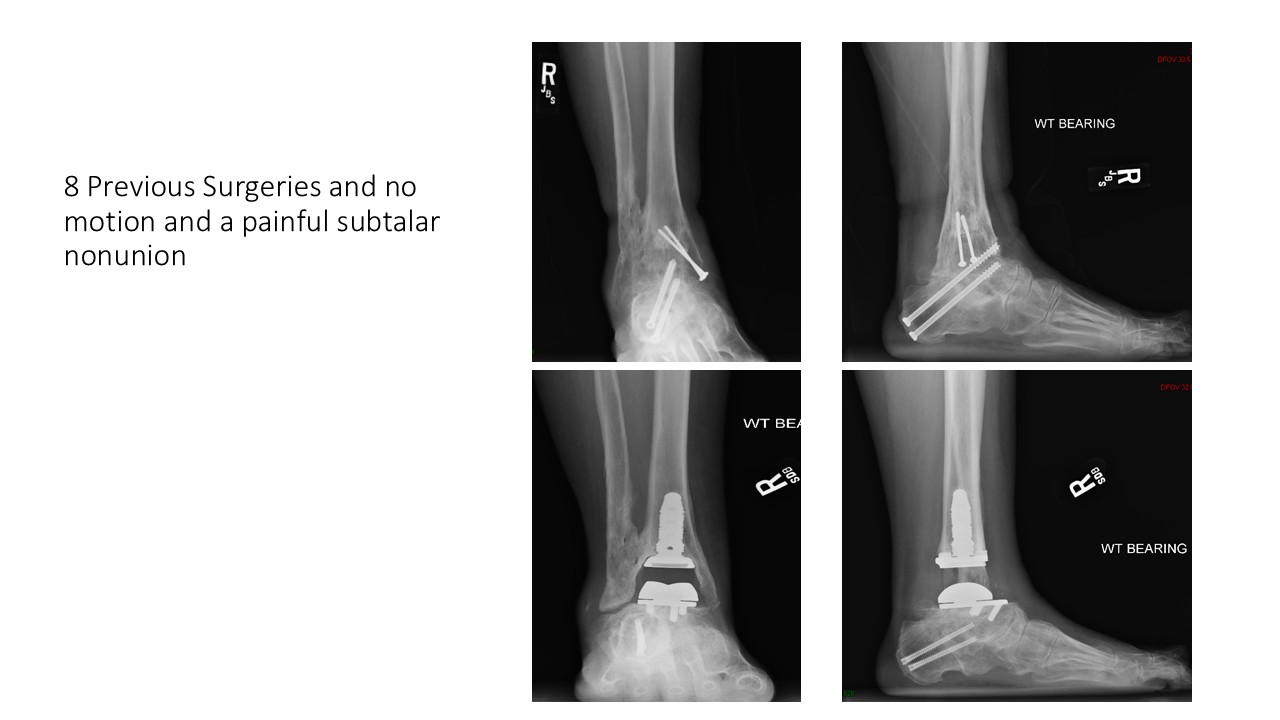
8 Previous Surgeries And No Motion And A Painful Subtalar Nonunion
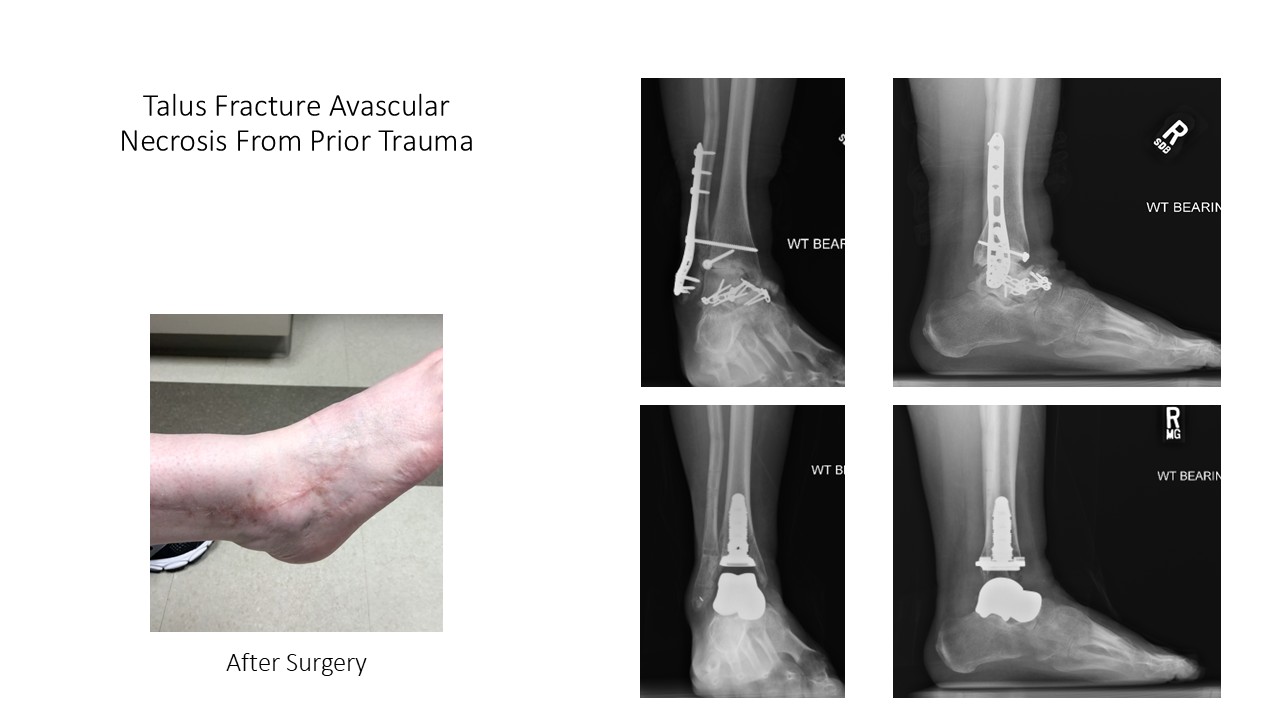
Talus Fracture Avascular Necrosis From Prior Trauma
Integrity Orthopedics and Sports Medicine
Offering a focused portfolio of advanced orthopedic services and a convenient walk-in clinic designed to help you get back to living—and moving—comfortably.