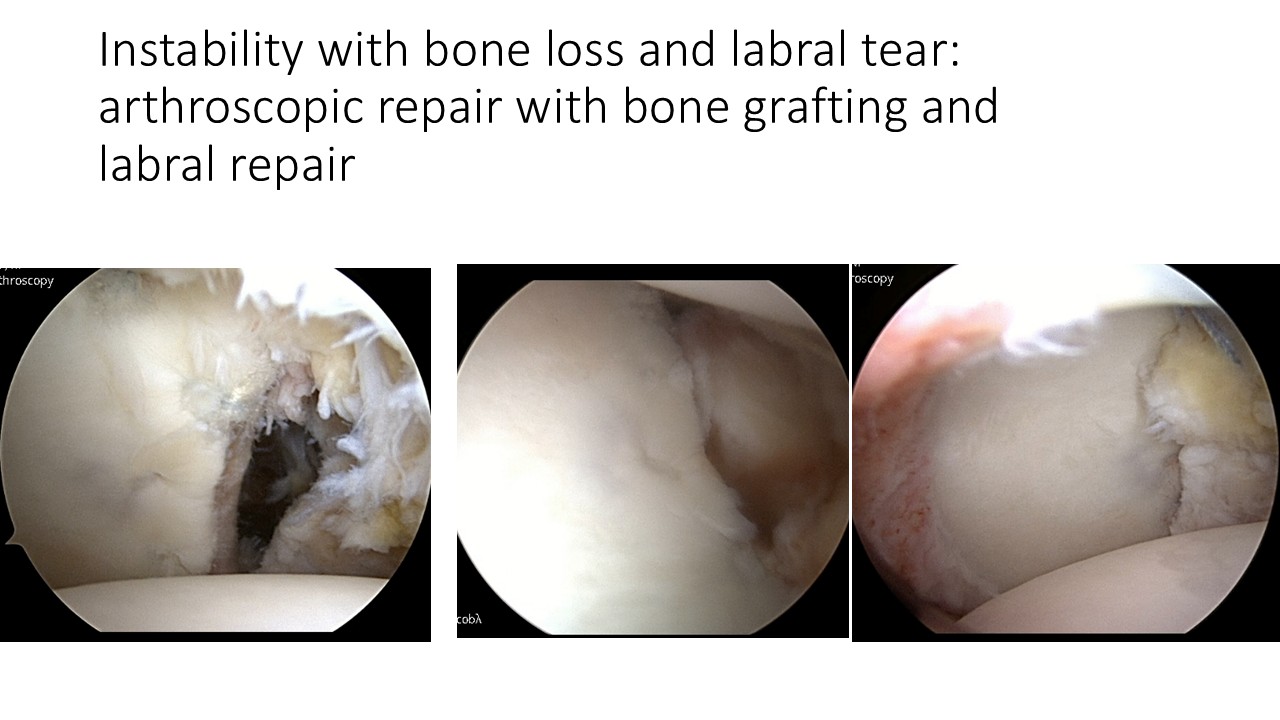
Shoulder instability and dislocation occur when the structures that support the shoulder joint are unable to maintain proper alignment. This may result from traumatic injury, repetitive overhead activity, or underlying ligament and bone damage. Patients may experience pain, a feeling of looseness, repeated dislocations, or loss of confidence in shoulder movement.
Integrity Orthopedics provides comprehensive evaluation and treatment for shoulder instability and dislocation, focusing on restoring joint stability and preventing recurrent injury. Care begins with a detailed clinical examination and imaging to assess soft tissue injury, bone loss, and overall joint mechanics. Treatment plans are tailored to the severity of instability, activity demands, and prior injury history.
Nonoperative management may be appropriate for select patients and can include activity modification and structured physical therapy to improve strength, coordination, and dynamic joint control. These approaches aim to stabilize the shoulder and reduce the risk of recurrence.
When instability persists or dislocations recur, surgical treatment may be recommended. Surgical options include arthroscopic and open repair techniques to address damaged ligaments, labral tears, and structural deficiencies. In cases of significant instability or bone loss, reconstructive procedures may be performed to restore reliable joint stability. The goal of surgery is to reduce recurrence, improve function, and allow a safe return to daily activities or sport.
Integrity Orthopedics delivers evidence-based care for shoulder instability, guiding patients through treatment decisions with clarity and a focus on long-term shoulder health.
Cases
Integrity Orthopedics and Sports Medicine
Offering a focused portfolio of advanced orthopedic services and a convenient walk-in clinic designed to help you get back to living—and moving—comfortably.