Many patients experience a fracture (broken bone) at some point during their lifetime. Because nearly all fractures are unanticipated, one of the most frustrating aspects of fracture care is the inability of patients to mentally prepare themselves for the surgery and recovery. We understand that a fracture can be overwhelming for everyone involved. Our nurses, therapists, physicians, and case management personnel will do our best to accommodate you and your family as you navigate this unfamiliar process.
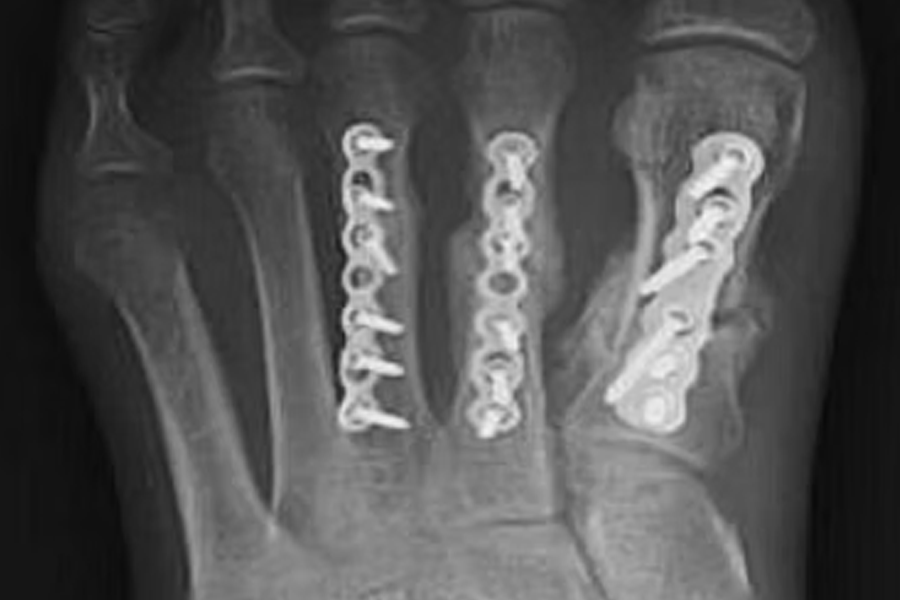
Surgical Intervention
At times, a fracture may be treated more predictably with surgical intervention to align the bone and to hold it in a good position while it heals. Different bones and different fracture patterns require different types of orthopedic implants to insure healing. Unfortunately, sometimes fractures that are treated appropriately may still not unite, or may unite in a bad position. This may require a subsequent surgery to treat the 'nonunion' and to establish a successful outcome. Placement or exchange of an orthopedic implant, or bone grafting is sometimes necessary. Discuss your fracture with our staff for a better understanding of what to expect during the healing process. This can also help prepare you for future issues that may arise secondarily to the fracture.
Treatment Considerations
Many types of fractures exist and treatment depends on fracture location, fracture type, patient age, patient activity level, and many other variables. All fractures are not treated the same, and sometimes even the same fracture in two different aged people may be treated differently. Generally, fractures require 6-12 weeks to adequately heal. Some bones heal faster than others depending on soft tissue coverage, blood supply, and location. Some fracture types may require that the patient not place weight on the injury while healing occurs. Factors that may effect how quickly your fracture heals include age, concomitant diseases, vitamin levels, hormone levels, nutrition levels, and smoking status. (see section on nutrition) Your primary care physician can be instrumental in helping you detect and correct some of these abnormalities. A daily multivitamin and supplemental Vitamin D are nearly always beneficial. Not smoking also increases your chances of success tremendously. Patients with compromised bone quality and low mineral density such as osteopenia and osteoporosis may be prone to fractures. These are known as fragility fractures. Fragility fractures account for the high incidence of wrist fractures and hip fractures seen in the elderly population. Bone mineral density testing is important later in life to prevent future fractures, and especially after a known fragility fracture. Ask us about how to schedule a bone density screening.
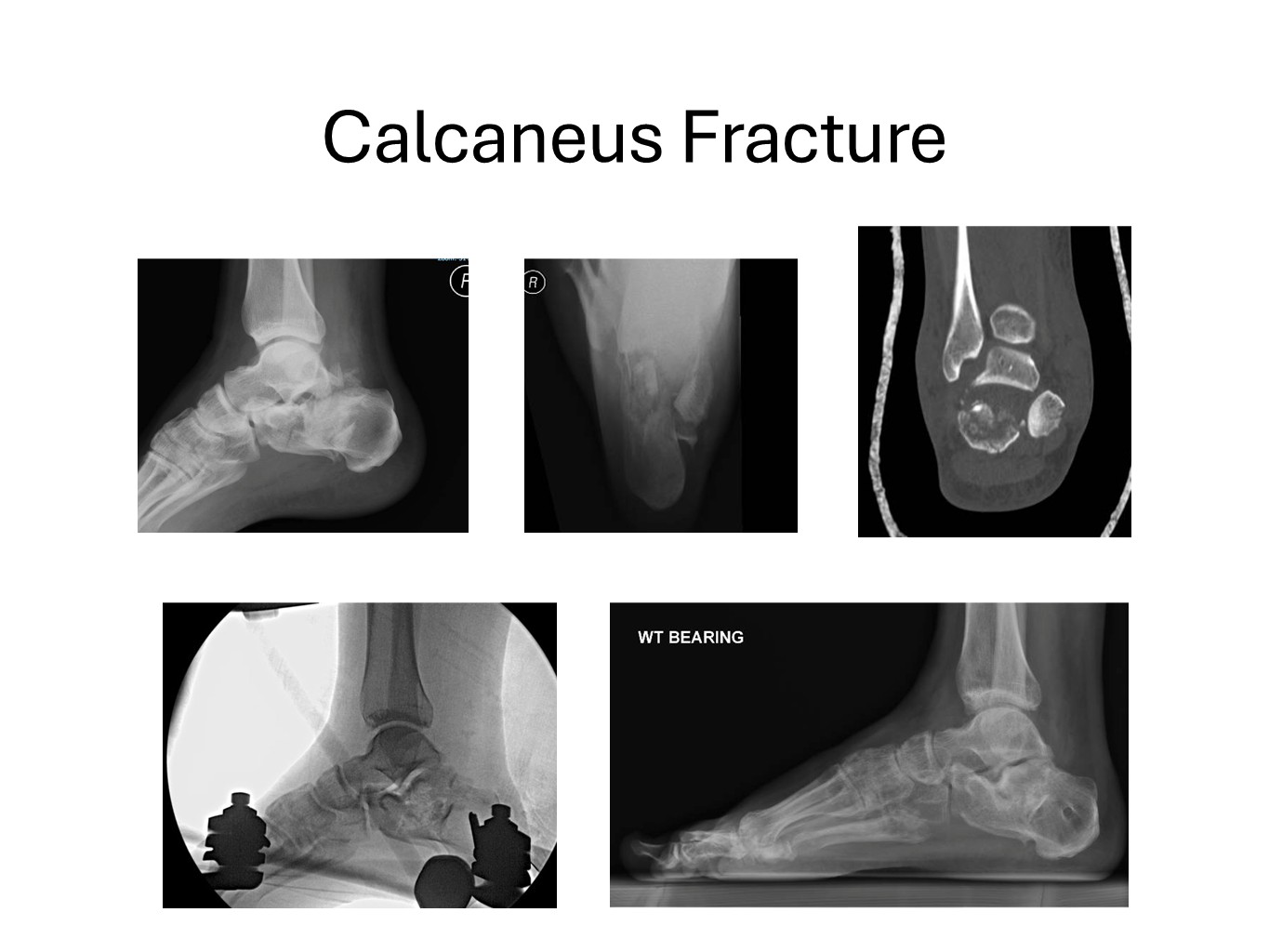
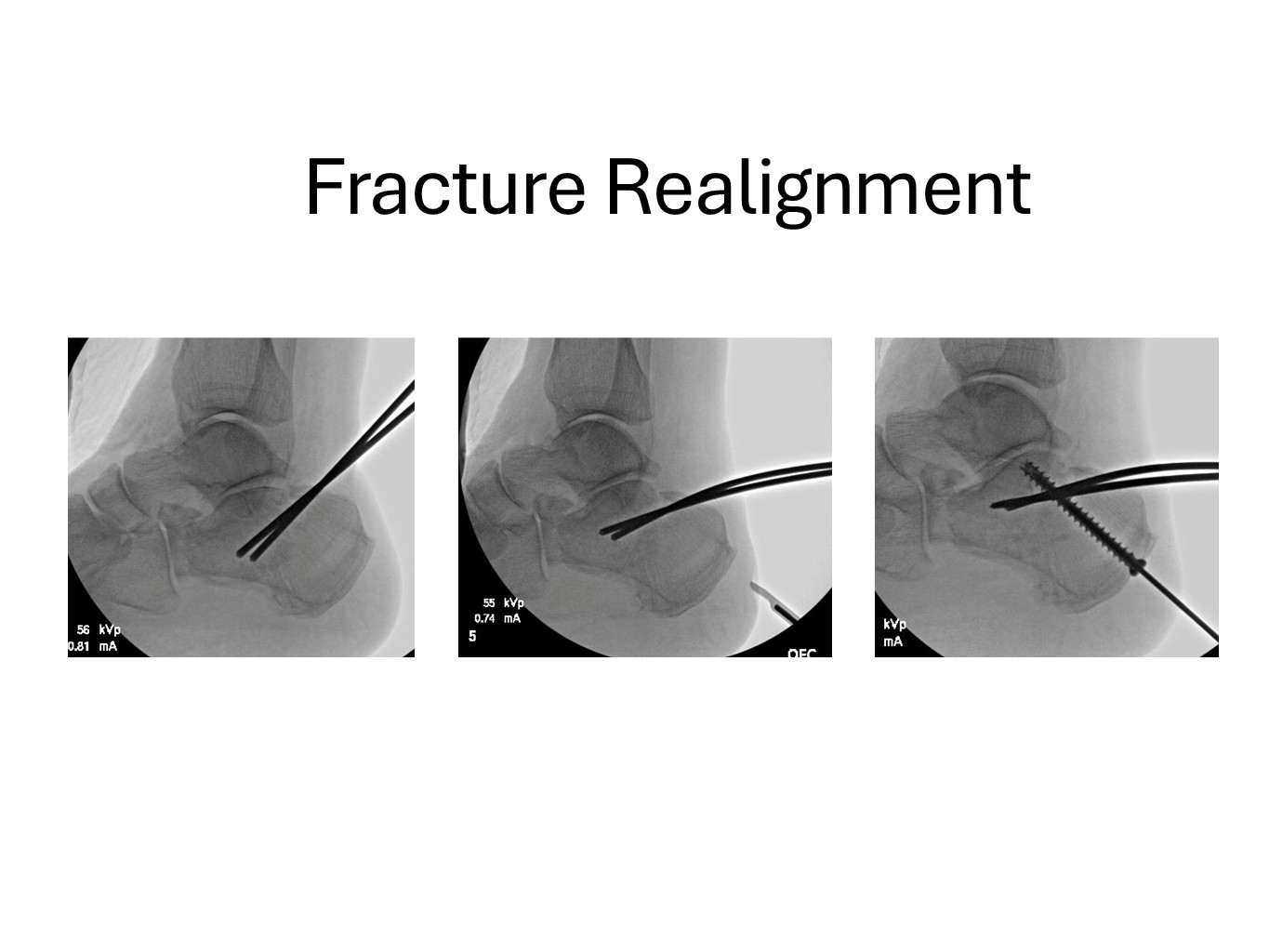
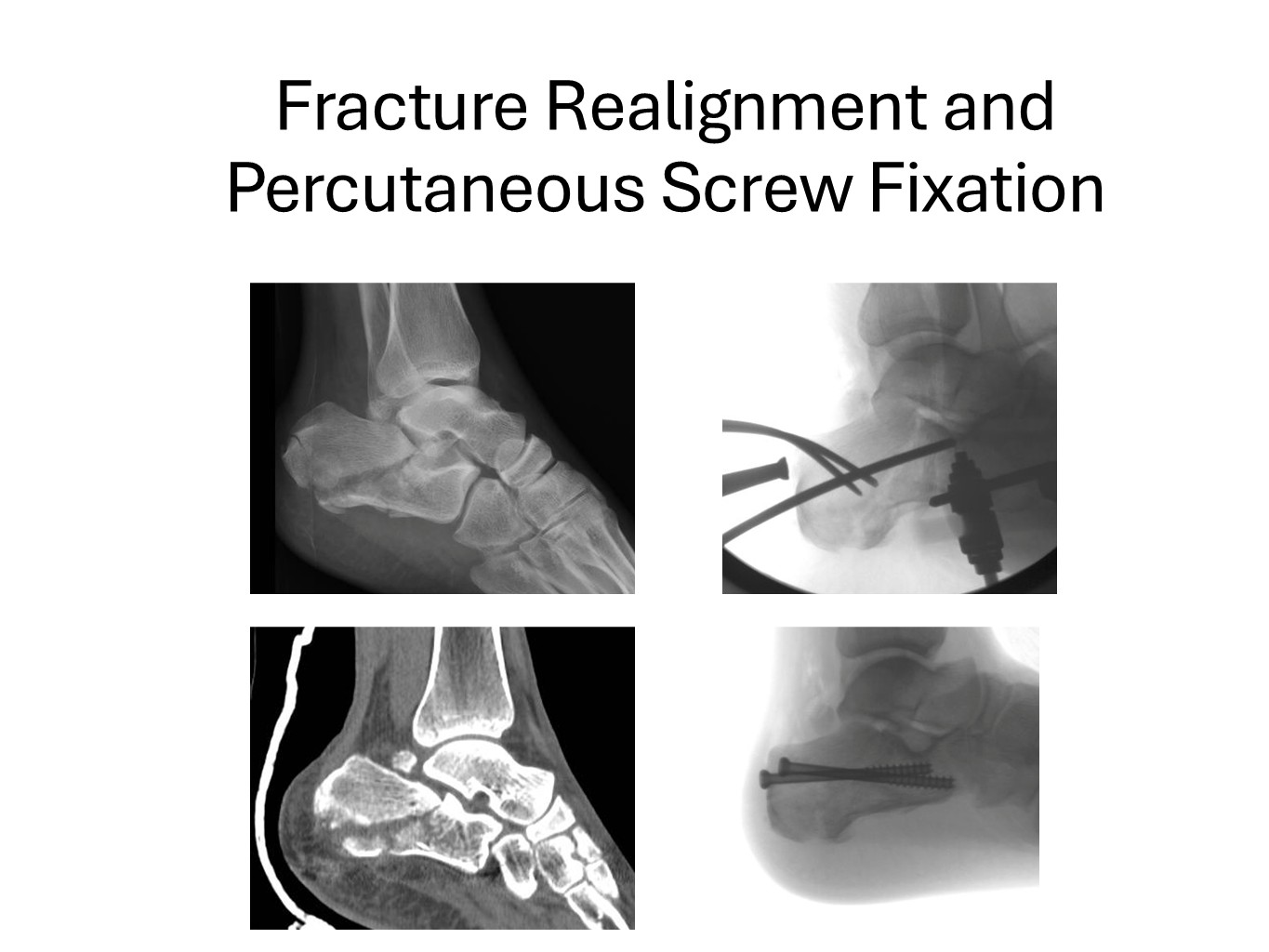
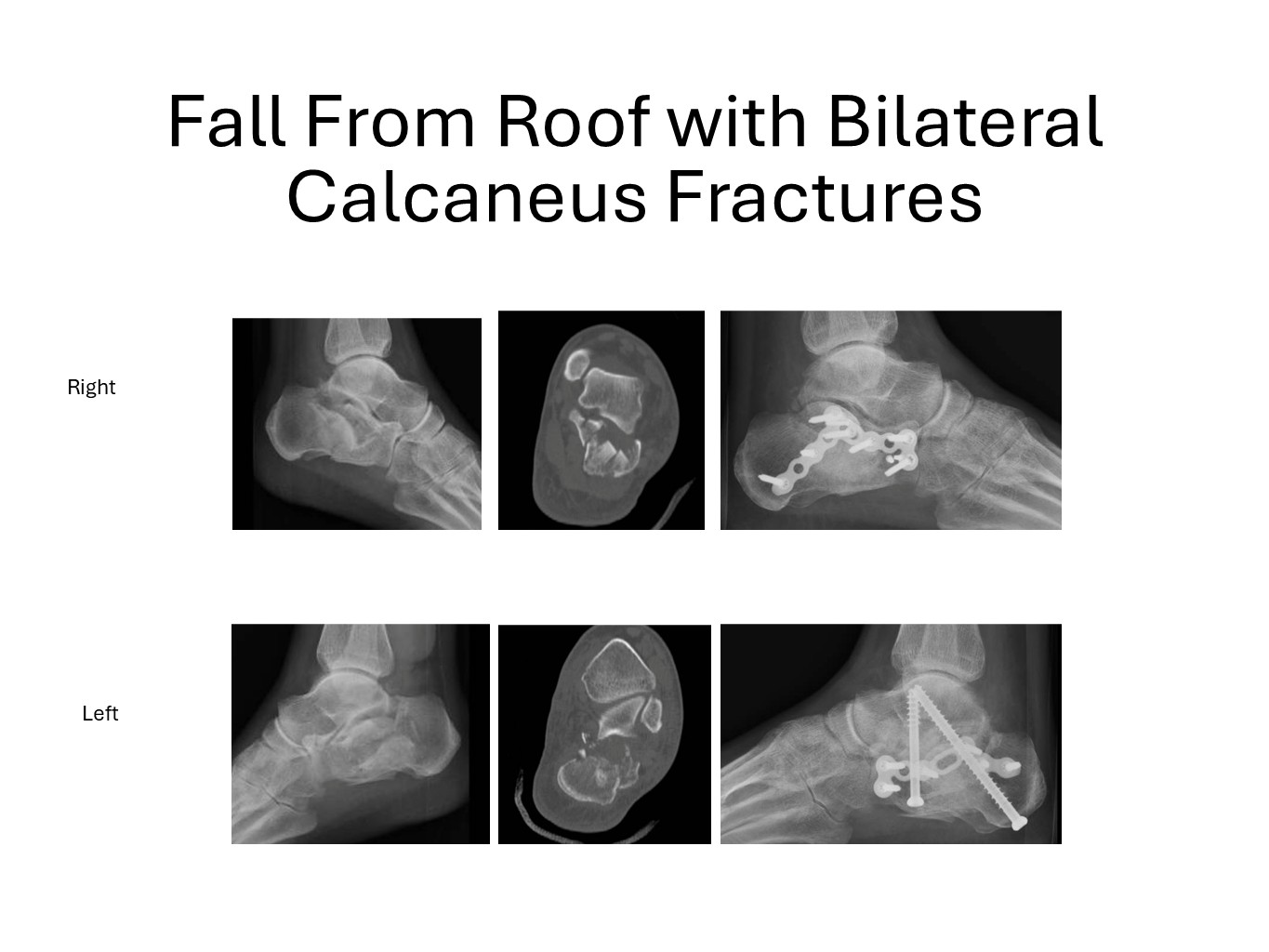
Calcaneus Fracture Cases
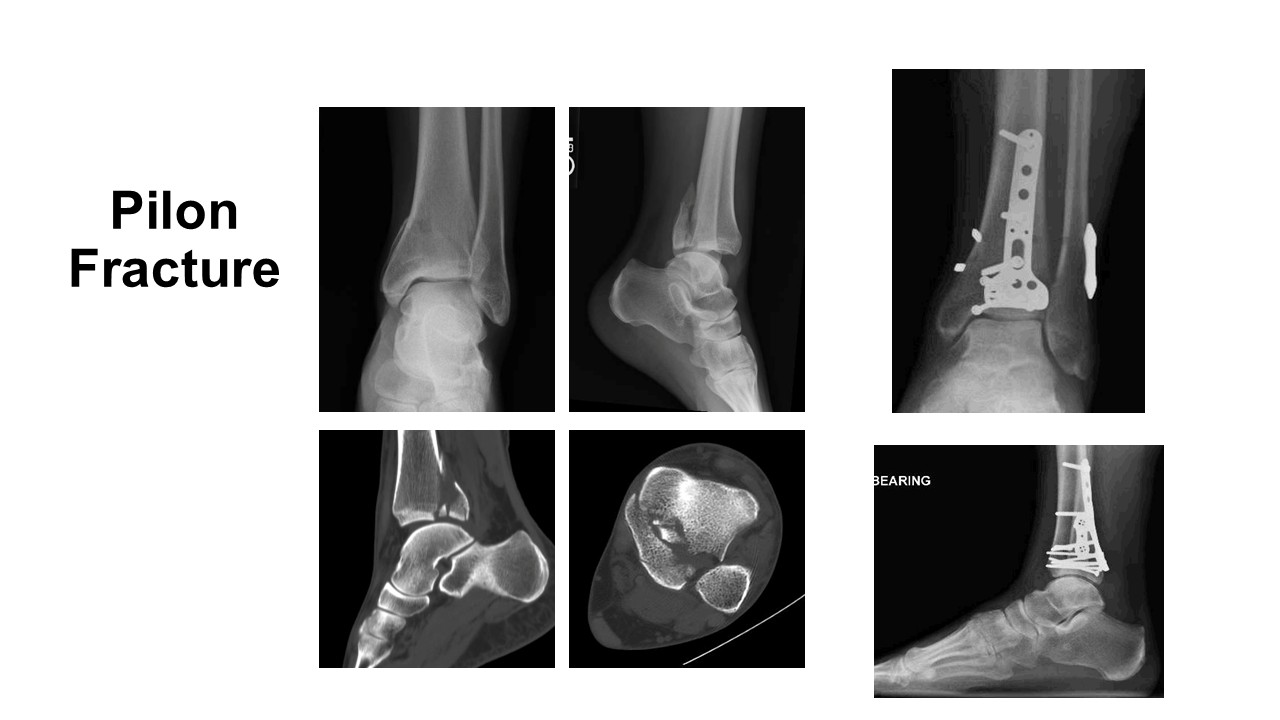
Pilon Fracture Cases
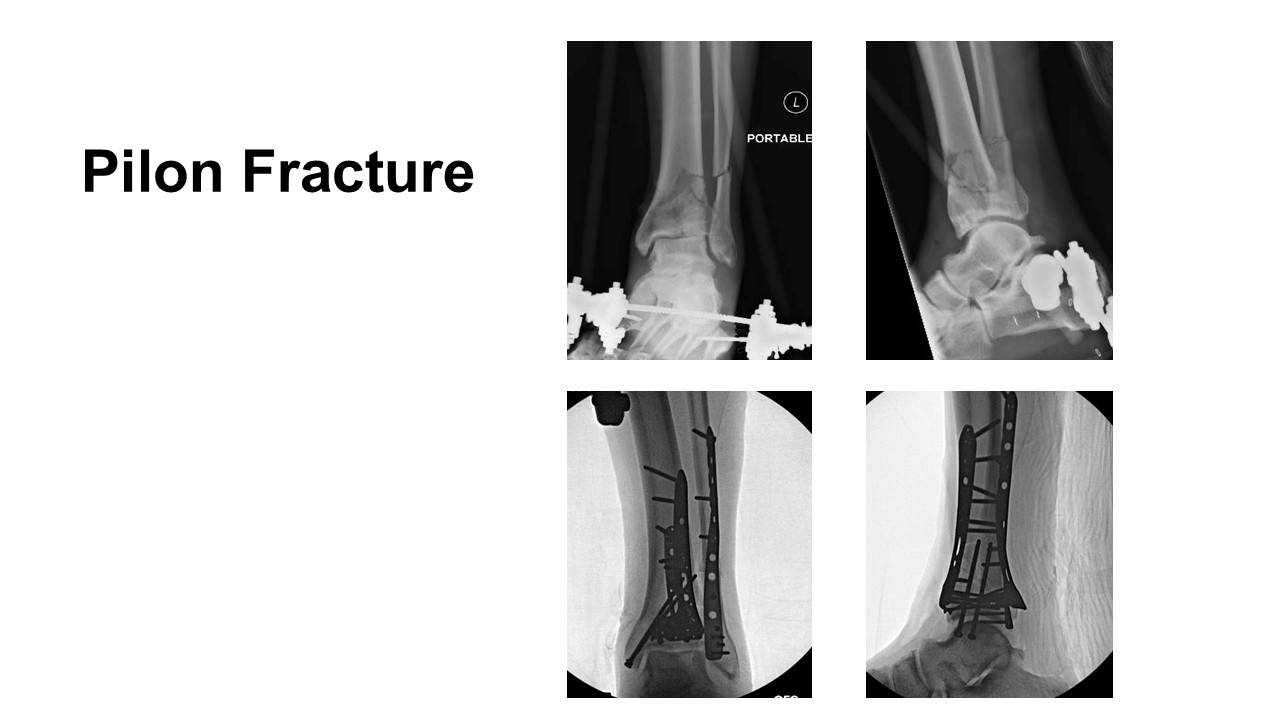
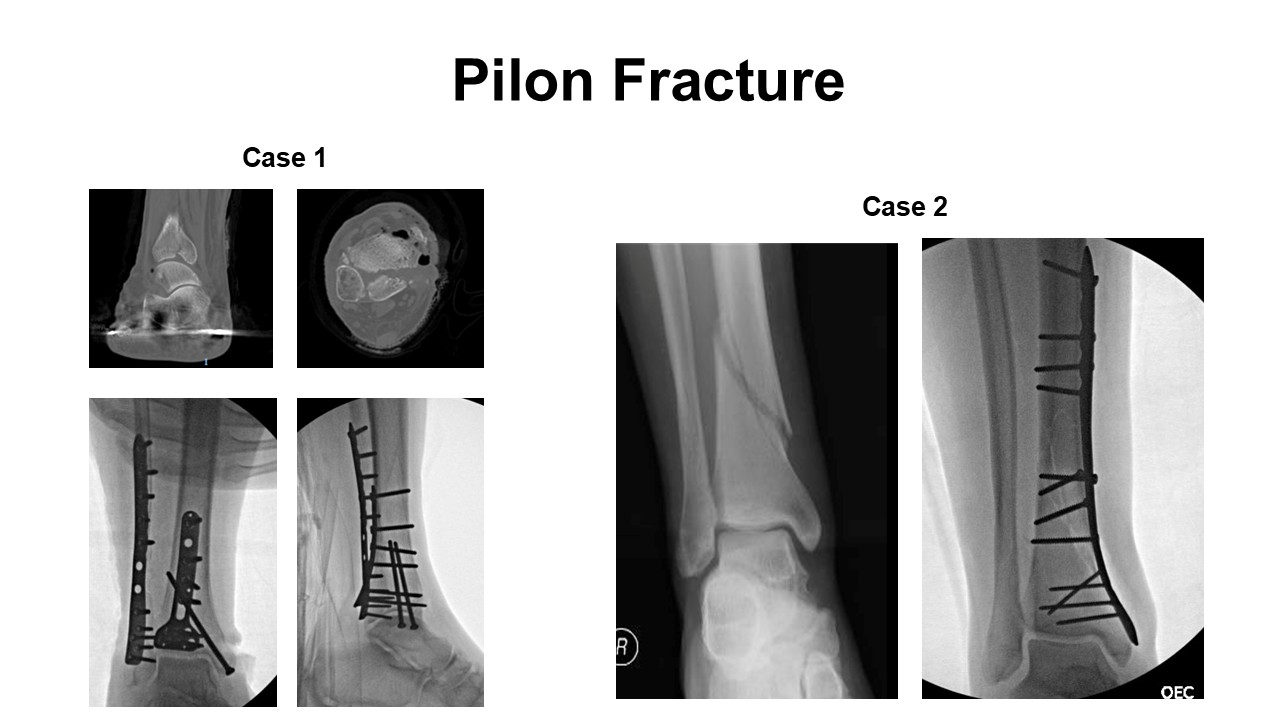
56 YO
Healthy 25 YO
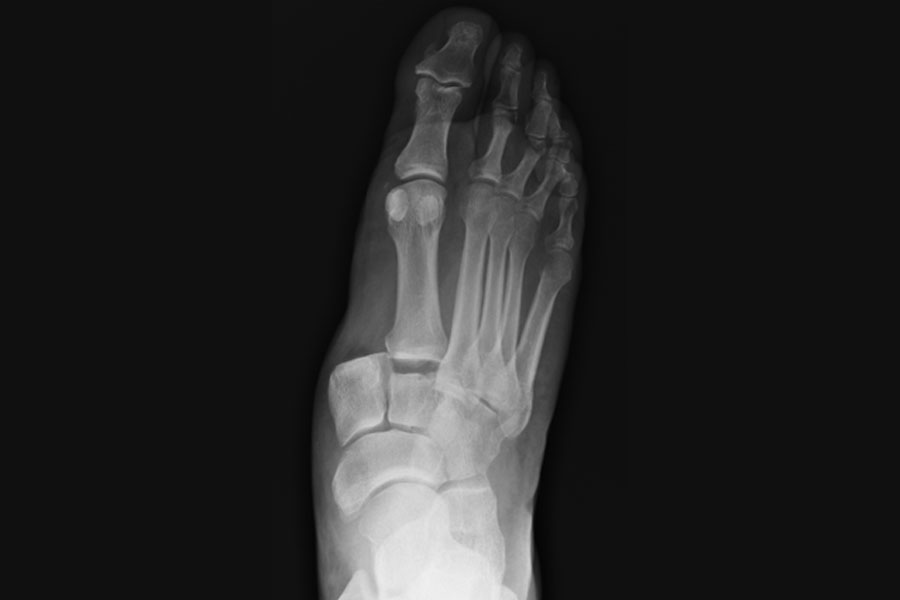
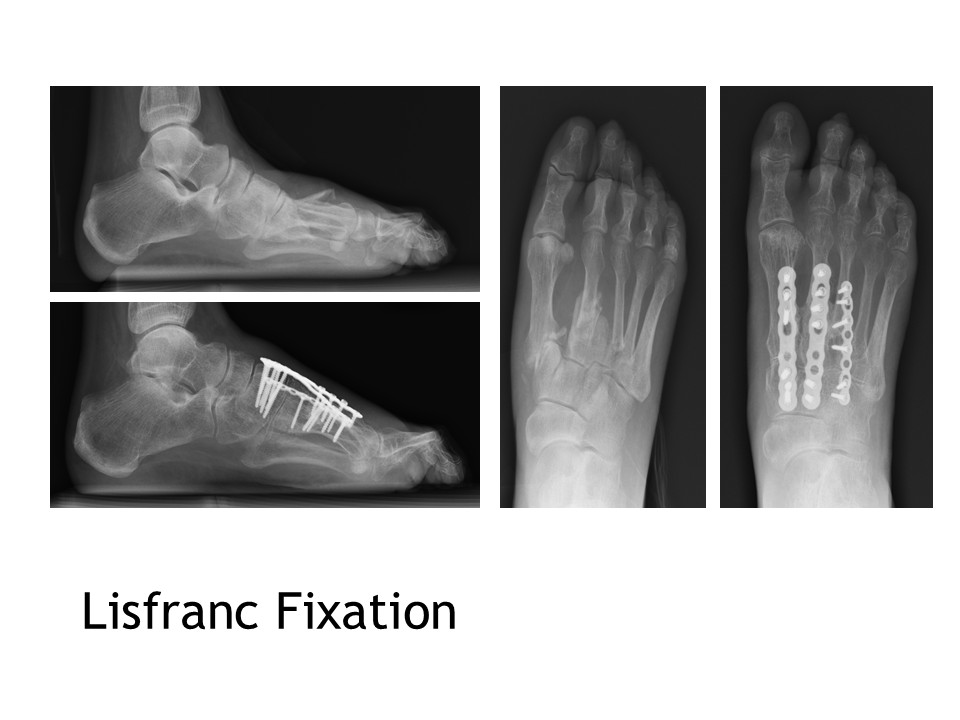
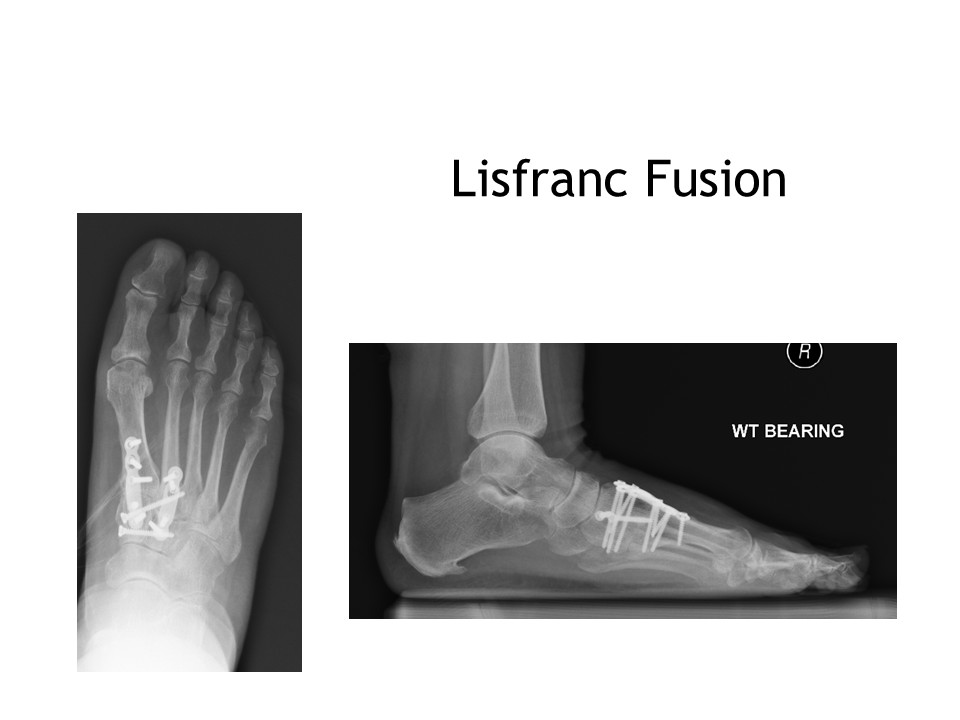
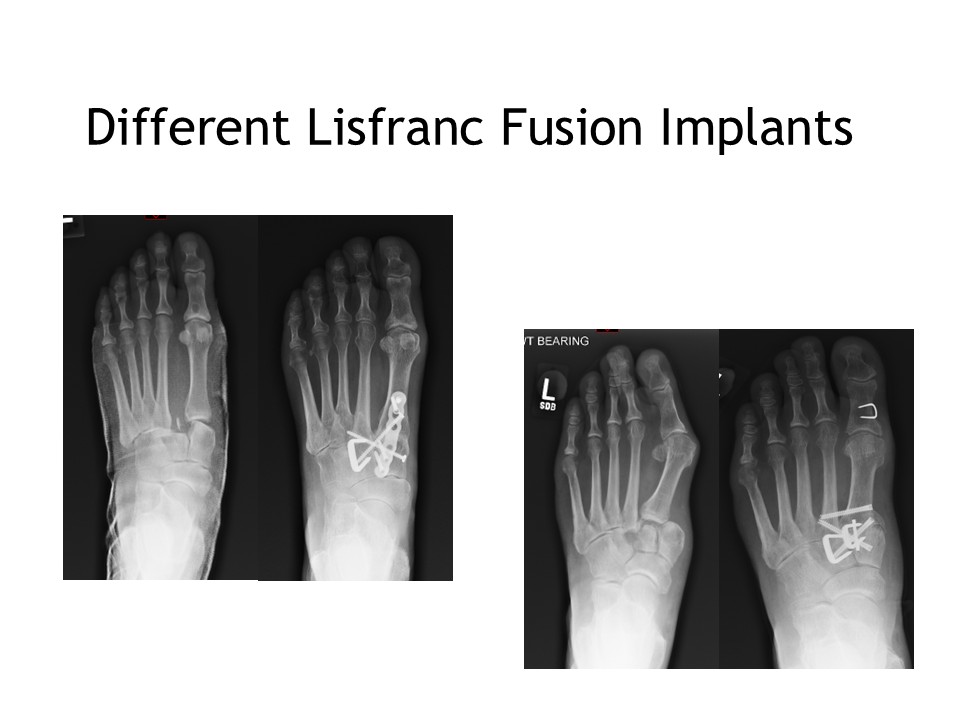
Lisfranc Fracture Dislocation Cases
Lisfranc Fixation
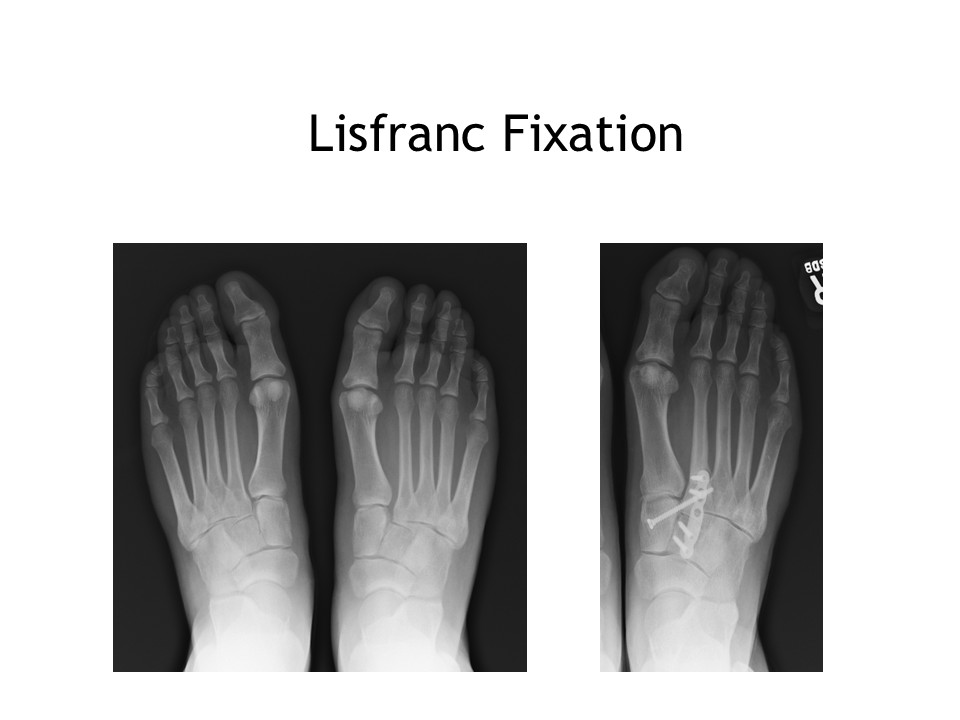
Lisfranc Fixation
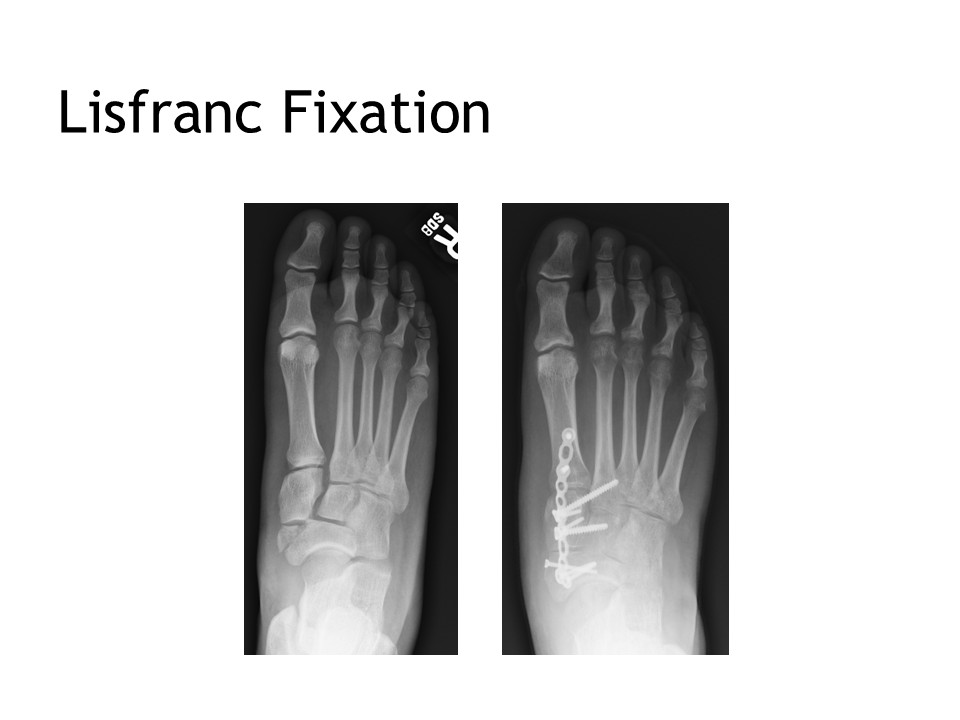
Lisfranc Fixation
Lisfranc Fusion
Different Lisfranc Fusion Implants
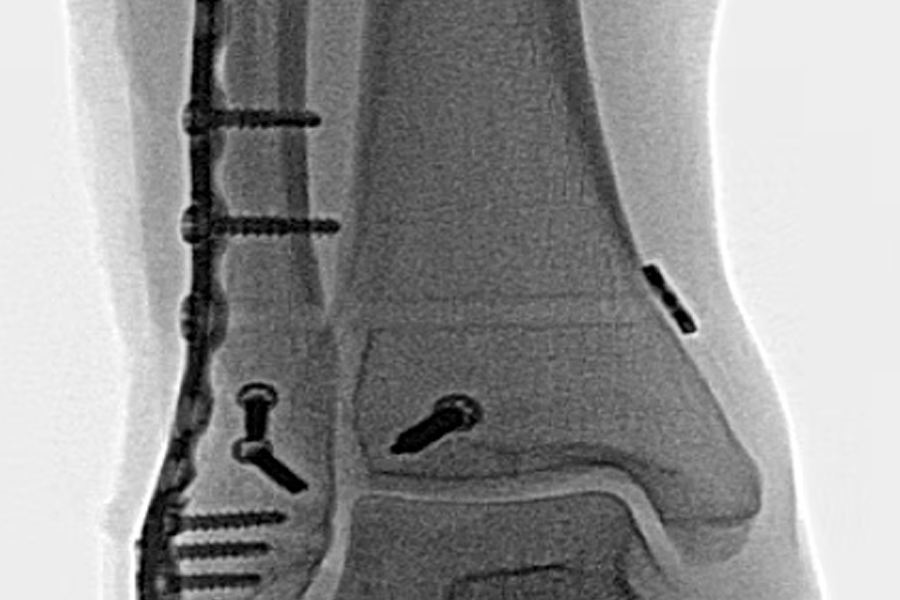
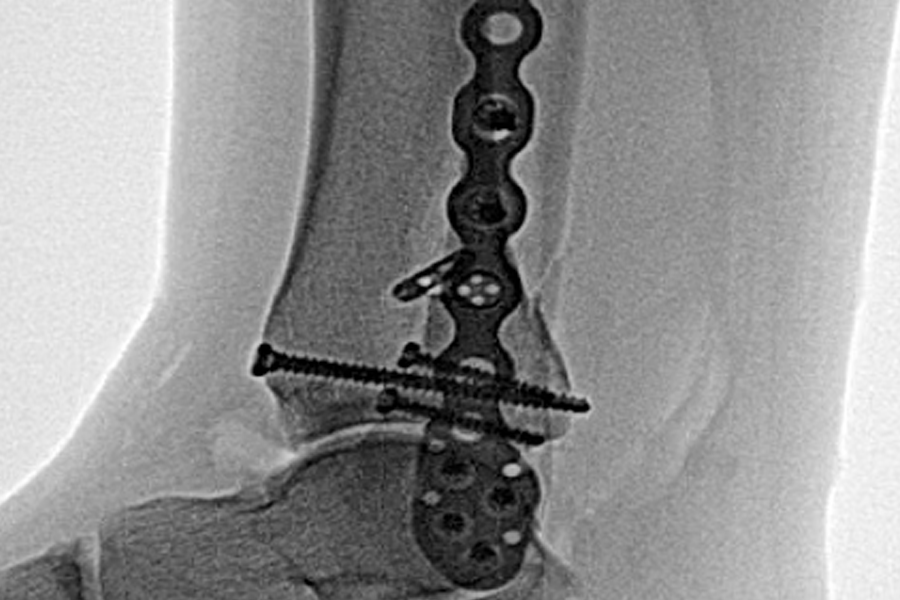
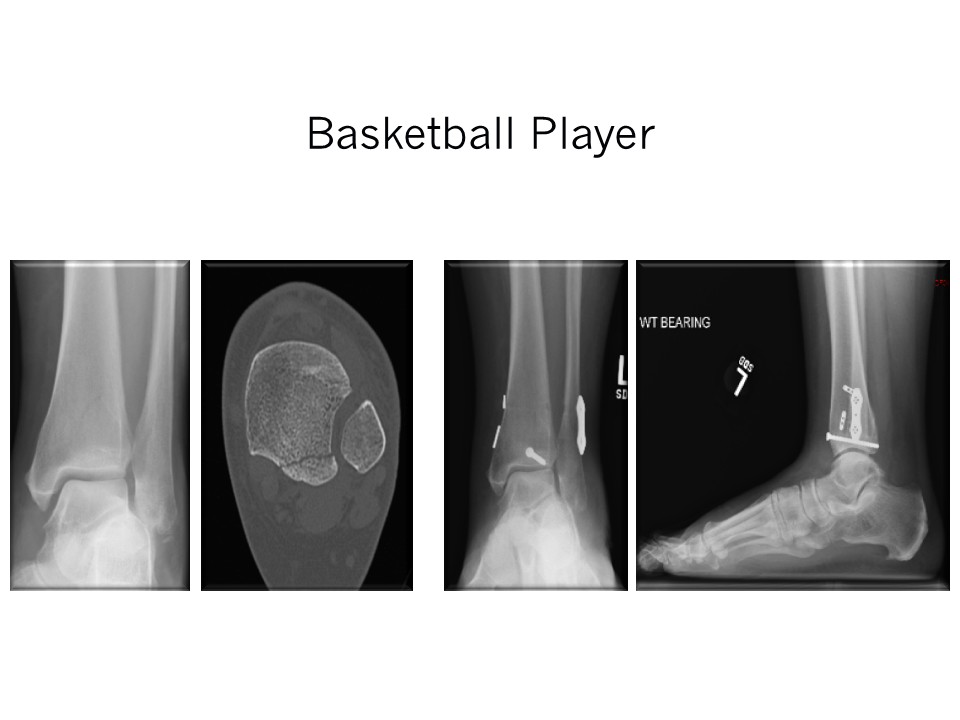
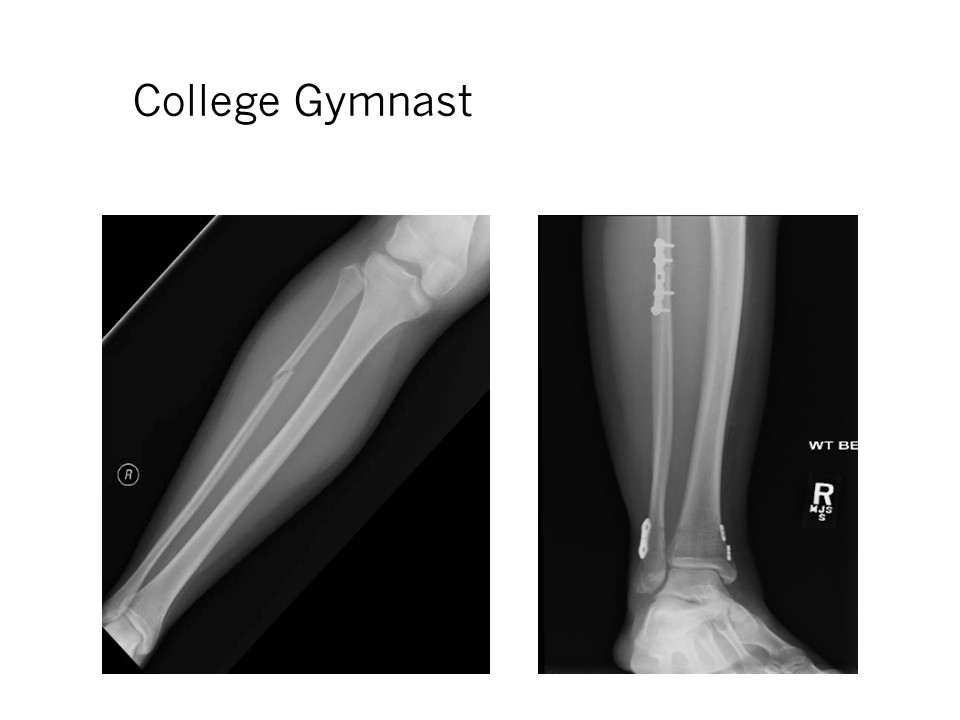
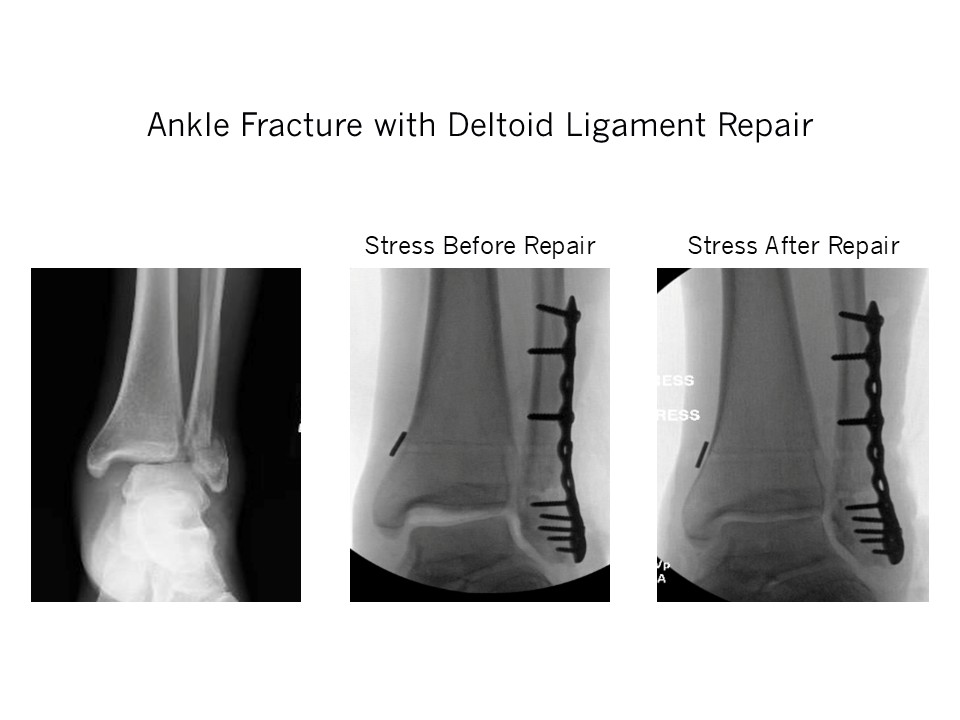
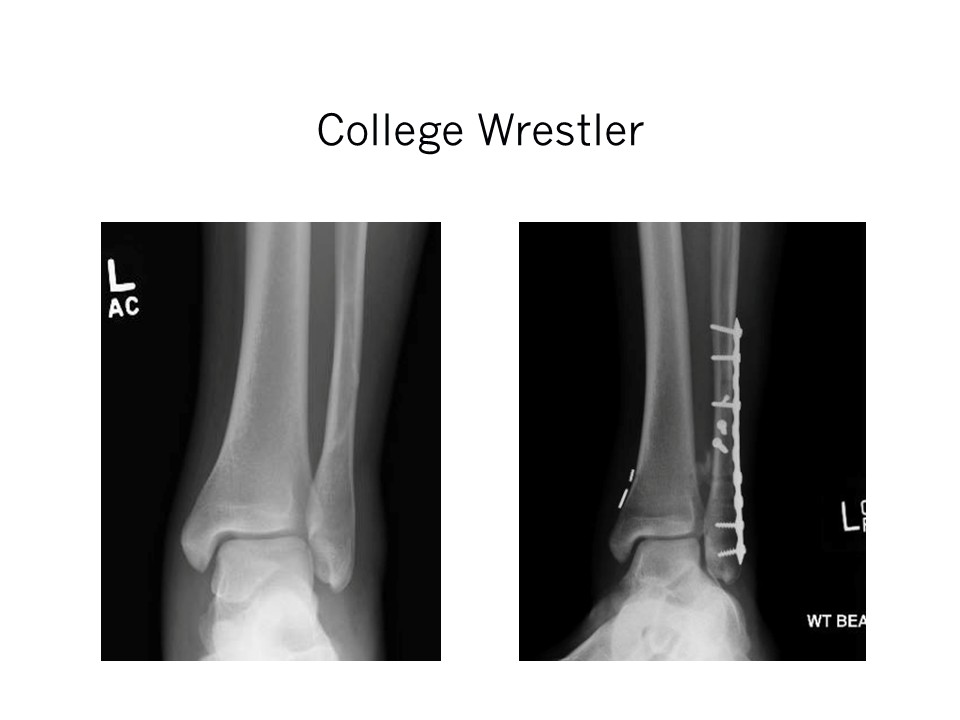
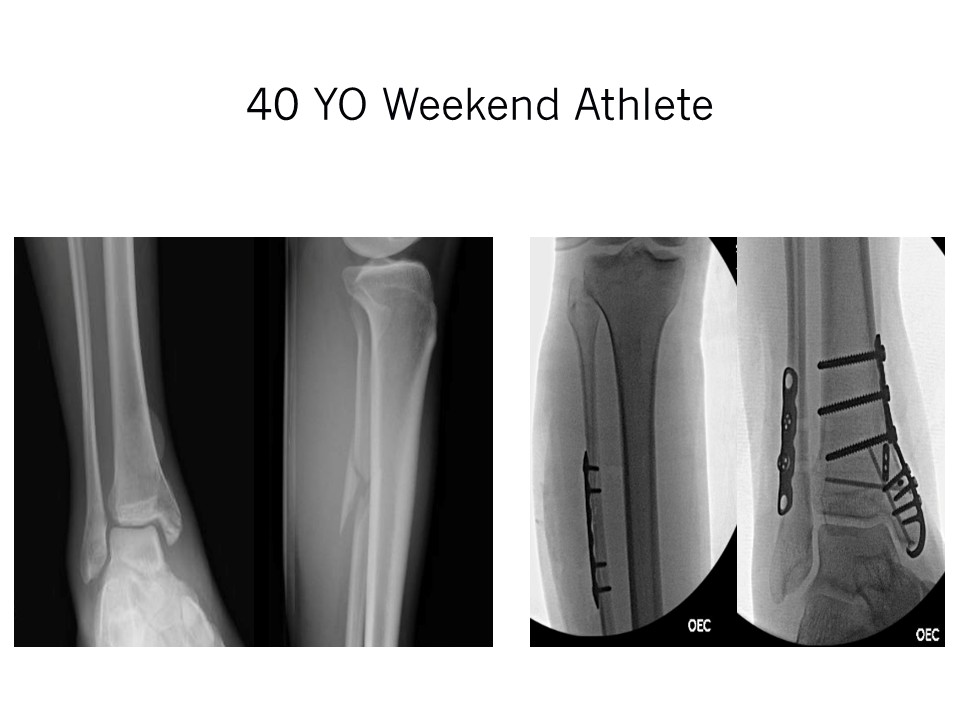
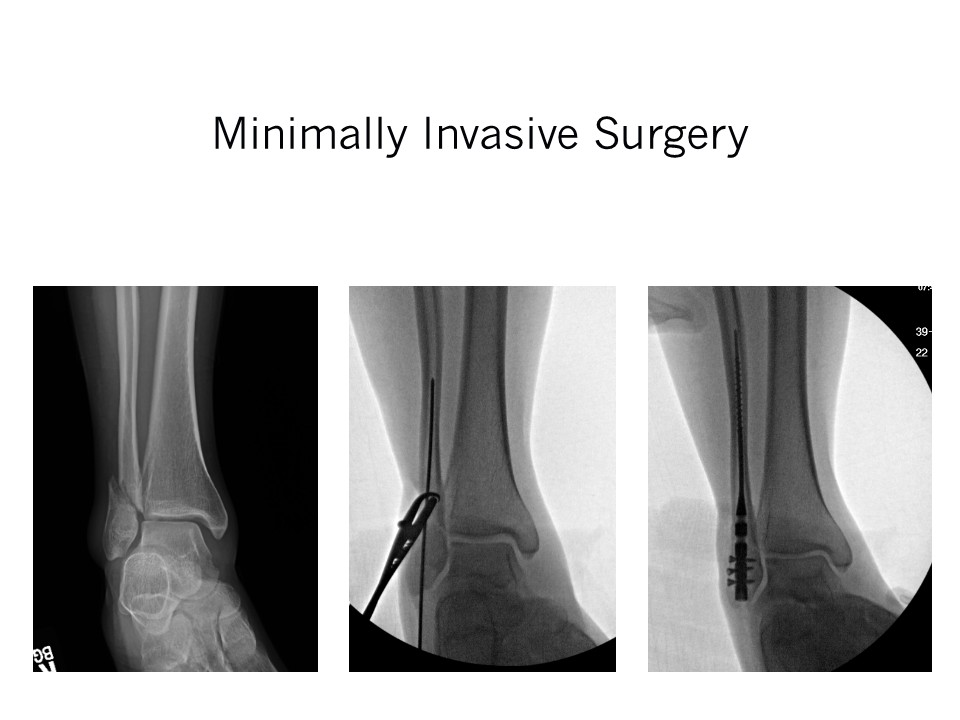
Ankle Fracture Cases
Integrity Orthopedics and Sports Medicine
Offering a focused portfolio of advanced orthopedic services and a convenient walk-in clinic designed to help you get back to living—and moving—comfortably.